Let’s face it—insurance can be confusing. And when it comes to orthodontic insurance, things can get even trickier. At Austin Orthodontics, we want the best for our patients, and that includes helping you make smart financial decisions.
While we don’t control how insurance companies operate, we can offer some helpful insights to make sure you’re informed and prepared when selecting or switching your orthodontic coverage.
How Orthodontic Insurance Works (It’s Different!)
Unlike typical medical or dental insurance, orthodontic insurance doesn’t pay the full benefit up front. Instead, payments are made on a schedule determined by the insurance provider, and spread out over the duration of treatment. If the policy is cancelled for any reason, these payments stop also – even if the full benefit has not been reached.
For example, if your child begins a two-year treatment plan, your insurance company may pay out the benefit monthly, quarterly, or even annually—not all at once. Each policy varies, and unfortunately, we don’t have control over how often or when those payments are made.
Dual Coverage for Orthodontic Insurance
If a patient is covered under two dental insurance plans (for example, both parents have orthodontic coverage through their employers), this is called dual coverage. In these cases, the two insurance companies may coordinate benefits to determine which plan pays first and how much each will contribute toward treatment.
Here’s how it typically works:
Primary insurance is often determined by the birthday rule—whichever policyholder’s birthday falls first in the calendar year (month and day, not year) is considered the primary plan.
Secondary insurance may then cover a portion of what remains after the primary plan pays its share, depending on each policy’s coordination of benefits.
It’s important to understand that not all plans coordinate benefits in the same way, and some may NOT provide additional payment once the primary insurance has paid.
Before starting treatment—or if you’re adding or changing coverage—be sure to check with your HR Department, insurance broker or the insurance companies directly. They can clarify how coordination of benefits works for your specific plans and help you avoid unexpected limitations or overlaps in coverage.
What Happens If Your Insurance Changes Mid-Treatment?
Life happens—maybe you switch jobs, your plan changes, or your orthodontic coverage gets dropped. When that happens, any remaining unpaid benefit from your original policy may not be fulfilled, and the unpaid balance could:
Become your responsibility, or
Be transferred to a new policy if the new insurance allows for it.
This is why it’s so important to be proactive and ask the right questions when considering a new policy during treatment.
Key Questions to Ask Your Plan Administrator When Switching Orthodontic Insurance Mid-Treatment
If you find yourself needing to change insurance plans while already in treatment, be sure to ask:
1. Do any of the plans being offered cover “work in progress” treatment?
This is critical. “Work in progress” means the patient has already started treatment—whether braces were placed an hour ago or a year ago. Some policies do not cover treatment that has already started, meaning you could pay premiums for coverage with a new policy you can’t even use.
2. How does the premium compare to the remaining balance?
Before enrolling in a new plan, evaluate whether the cost of the new premium makes financial sense in relation to what your old insurance had left to pay.
Your goal is to choose coverage that truly benefits you and your family, without surprising out-of-pocket costs.
The Bottom Line
Orthodontic insurance doesn’t work like typical coverage—and understanding how and when benefits are paid can save you a lot of stress (and money). While we can’t access or interpret every policy detail, we encourage you to reach out to your insurance provider directly with questions on your specific policy terms.
At Austin Orthodontics, we’re always here to support you throughout your smile journey. While we can’t speak on behalf of your insurance provider, we’re happy to assist by sharing the information available to us—such as treatment timelines and payment plans—so you can navigate your insurance coverage more confidently with your provider.
Starting your orthodontic journey with Dr. Briggs and the Austin Orthodontics Team is an exciting step toward the smile of your dreams—but let’s be real: the first few days after getting your braces on can come with a little soreness. That tenderness might have you wondering what foods you can eat without making things worse.
Good news! Austin is full of amazing local spots serving up delicious soft foods that are perfect for sensitive teeth. Whether you’re looking for something cold, warm, creamy, or cozy, Dr. Briggs is dishing up the 411 on our top local picks for soft foods that won’t stress out your sore smile.
? Smoothies: Cold, Soothing, and Sippable
? JuiceLand
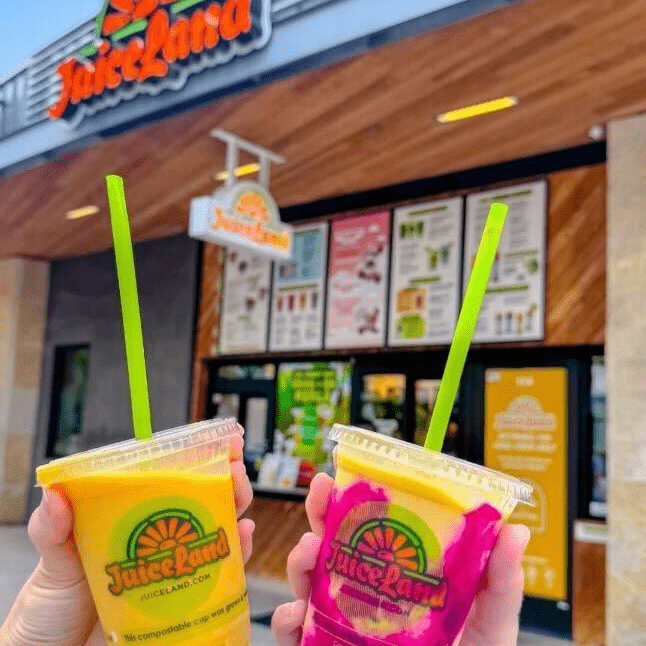
An Austin original, JuiceLand is a local staple for made-to-order smoothies packed with real fruits and veggies. Their delicious smoothies and cold-pressed juices are among locals looking for a refreshing, nutrient-rich option. When your teeth are sore, smoothies are perfect—no chewing required and always soothing.
The Honey-Beary is an Austin Orthodontics Team favorite!
When you need warm, soft comfort food, mac and cheese is the MVP. Here are a few local spots that do it right:
? Moonshine Grill
A cozy Austin classic nestled in a historic downtown building, Moonshine’s mac and cheese is beloved for its rich flavor and crispy breadcrumb topping. It’s a hug in a bowl—soft, cheesy, and comforting.
While known for legendary BBQ, their creamy mac and cheese holds its own. Smooth, cheesy, and fresh-made daily, it’s one of the most popular sides—so much so, they go through over 41,000 pounds of noodles a year!
This hot chicken spot serves a mean mac & cheese with cavatappi pasta and rich sauce. Even if you skip the spicy stuff (for now), their cheesy side dish is a must-try for sore days.
This East Austin favorite offers some of the best mac & cheese in town, with a creamy, slightly spicy twist that makes it stand out. Smooth, satisfying, and super local.
An Austin institution since 1980, Kerbey Lane’s pancakes are thick, fluffy, and perfect for sore teeth. Bonus: they offer seasonal varieties like lemon poppyseed or blueberry cornbread. Soft, warm, and satisfying—no knife required.
Started as a food truck and now a breakfast staple, Paperboy’s single-stack buttermilk pancake is legendary. Made with a hint of cornmeal and served with brown butter and sea salt, it’s soft, slightly savory, and full of flavor.
When all else fails, there’s ice cream—and luckily, Austin has some of the best around.
? Amy’s Ice Creams
Austin-born and beloved since 1984, Amy’s is famous for its creamy texture, variety of flavor options, and playful scoop tricks. It’s cool, soft, and soothing—ideal for sensitive teeth.
This local food truck serves up small-batch ice cream with creative, chef-driven flavors like pretzel milk jam or Texas corn. Always freshly churned and ultra-soft.
Known for their iconic cookies and creamy ice cream combos, Tiny’s delivers nostalgic comfort in every scoop—especially when you’re craving something sweet but soothing.
Just because your teeth are sore doesn’t mean your taste buds have to suffer. Austin has no shortage of soft, delicious, braces-friendly options to help you through those tender first days—and beyond.
Remember: Skip anything too crunchy, or chewy during your braces journey—and when in doubt, ask Dr Briggs, Dr. Devgon, or any of the amazing team at Austin Orthodontics for advice.
Until then, enjoy exploring these local gems— don’t forget to smile & Keep Austin Weird!
Bite turbos are small attachments bonded to your teeth that prevent your upper and lower teeth from fully closing during your orthodontic journey. Made from composite resin, metal, or glass ionomer, they’re placed on the back molars or behind the front teeth to help correct deep bites while protecting your braces from damage.
You may also hear them called bite ramps or turbo bites. They’re a common, temporary tool board-certified orthodontist Dr. Briggs uses to support faster, safer bite correction for children, teens, and adults at Austin Orthodontics. Understanding what bite turbos are can ease a lot of the questions families have when they first see them in the mirror. Though tiny, these little additions play a big role in keeping treatment on track, and they’re far more comfortable than most families expect once the first few days pass.
How Do Bite Turbos Work?
Bite turbos work by creating a small amount of space between your upper and lower teeth so they can’t fully meet when you bite down. This stops your back teeth from touching, which gives your braces room to move teeth freely without interference from a deep bite. Over weeks to months, the bite gradually repositions into a healthier alignment.
Here’s what they’re doing inside your mouth:
Creating vertical space. By acting like a tiny prop, they stop the upper and lower teeth from clashing.
Protecting your brackets. When you have a deep bite, your lower front teeth can hit the brackets on your upper teeth and pop them off. Turbos prevent that contact.
Letting teeth shift freely. Without the bite locking everything in place, your teeth can move into their planned positions more efficiently.
Supporting other appliances. Dr. Briggs often pairs bite turbos with elastics and braces (or clear aligners) for deep bite correction.
Most families notice the difference within the first few days. Chewing feels different at first, and your back teeth may not touch at all. That’s exactly what we want. As your bite corrects, those back teeth will gradually start meeting again, and the turbos can come off.
Benefits of Bite Turbos
Their biggest benefit is keeping treatment moving forward without setbacks.
Here’s why Dr. Briggs and our team use them so often:
Fewer broken brackets. A deep bite is one of the top reasons brackets get knocked off. Bite turbos take that pressure away.
Faster deep bite correction. When teeth aren’t locked together, they can move into position more efficiently.
Protection for enamel and restorations. They reduce wear from grinding or clenching against opposing teeth.
Better outcomes for overbite cases. Children, teens, and adults with deep bites often finish treatment with a more balanced, healthy bite.
Small and discreet. Most are tooth-colored or hidden behind the front teeth, so they’re not noticeable when you smile.
Temporary. Once your bite has corrected, they’re easily removed during a regular visit.
For many families, bite turbos are the quiet workhorse of treatment. You hardly think about them after the first week, but they’re doing a lot behind the scenes to keep your transformed smile on schedule.
Bite Turbos vs. Other Bite Correction Methods
Bite turbos aren’t the only way to correct a deep bite, but they’re often the most efficient. The chart below breaks down how they stack up against other common methods:
Method
How It Works
Best For
Comfort Level
Bite Turbos
Bonded to molars or behind front teeth to stop full bite closure
Deep bites with braces or clear aligners
Mild soreness for a few days, then unnoticed
Elastics (Rubber Bands)
Connect upper and lower braces to shift the bite
Class II/III bites, moderate overbites
Easy to wear, requires patient consistency
Bite Ramps
Similar to turbos, placed behind upper front teeth
Mild to moderate deep bites
Comfortable after short adjustment
Clear Aligner Precision Bite Ramps
Built into clear aligner trays to prop the bite open
Deep bite correction with clear aligners
Built into the tray, very low-profile
Headgear or Functional Appliances
External or removable devices that guide jaw growth
Growing children with skeletal issues
Bulkier, more adjustment needed
Often, these tools work together. For example, Dr. Briggs may combine bite turbos with elastics for stubborn deep bites, or use precision bite ramps inside clear aligners for adults who prefer a more subtle treatment option. The right combination depends on your bite, your age, and your overall treatment plan, which is something we map out during your free consult.
Cost Factors for Bite Turbos
Bite turbos are typically included in the cost of braces or clear aligners and are rarely billed separately. If your treatment plan calls for them, the cost is built into your quote, so there are no surprise charges along the way.
A few things can affect the total cost of your orthodontic journey:
Case complexity. Deeper bites or more involved cases may require additional appliances.
Treatment length. Longer treatments naturally cost more overall.
Replacements. If a bite turbo chips or comes off, we’ll reattach it at a regular visit. There’s usually no extra charge.
Most dental insurance plans that cover orthodontic care include bite turbos as part of the overall benefit. At Austin Orthodontics, we offer flexible payment options, 0% financing, and a flexible down-payment so the families we serve can get the care they need without stress. Dr. Briggs and our team will go over everything during your free consult, including how each piece of your plan fits into the total investment.
Who Is a Candidate for Bite Turbos?
Bite turbos are a great fit for many families with deep bites or excessive overbites. If your upper front teeth cover too much of your lower front teeth when you close down, you’re likely a strong candidate. According to the American Association of Orthodontists, deep bites are among the more common bite issues orthodontists correct, which is one big reason Dr. Briggs recommends turbos so often.
You may benefit from bite turbos if:
You have a deep bite or significant overbite
Your lower teeth bite directly onto your upper braces brackets
Your teeth grind or wear unevenly because of how they meet
You’re a child, teen, or adult starting braces or clear aligners
Your bite is keeping certain teeth from moving as planned
Bite turbos usually aren’t needed for shallow bites or open bites, where the upper and lower teeth don’t overlap much (or at all). The only way to know for sure is a clinical evaluation. During your free consult, Dr. Briggs will examine your bite, take digital impressions, and let you know if bite turbos are part of your recommended treatment plan.
Frequently Asked Questions About Bite Turbos
Do bite turbos hurt?
Bite turbos aren’t painful, but they do take some getting used to. For the first few days, your jaw and teeth may feel a little tender as your bite adjusts. Soft foods help during this adjustment period. Within about a week, most families forget the turbos are even there.
How long do bite turbos stay on?
Bite turbos stay on until your deep bite has corrected, which can range from a few months to most of your treatment time. Dr. Briggs monitors your progress at each visit and removes them as soon as they’ve done their job. Every case is a little different.
Can I eat normally with bite turbos?
You can eat normally, but you’ll want to start with soft foods for the first few days. Things like pasta, eggs, yogurt, and soft fruits are easy on a new bite. Once you’ve adjusted, you can return to your usual diet, just avoid hard, sticky, or crunchy foods that could damage your braces or knock a turbo loose.
Do bite turbos affect speech?
Some families notice a mild, temporary lisp for the first few days, especially if the turbos are placed behind the front teeth. Your tongue quickly adapts. Reading out loud or chatting with family often speeds up the adjustment. The lisp typically fades within a week.
What if a bite turbo falls off?
If a bite turbo comes off, don’t worry. It happens occasionally and isn’t an emergency. Just give our team at Austin Orthodontics a call and we’ll schedule a quick visit to reattach it. Try to avoid biting hard foods on that side until it’s replaced.
Are bite turbos used with clear aligners?
Yes! With clear aligners, we often use precision bite ramps built right into the trays, which work the same way as traditional bite turbos. In some cases, small composite bite turbos may also be bonded directly to the teeth. Dr. Briggs will recommend the option that fits your treatment plan best.
If you have a deep bite or you’re wondering whether bite turbos might be part of your treatment, our team at Austin Orthodontics is always glad to answer your questions. Dr. Briggs is a board-certified orthodontist and AAO member, and he and our whole team offer the same level of care I’d give to my own family to every family who walks through our doors. Bite turbos are just one small piece of how we keep treatment efficient, comfortable, and on track.
Want to learn more about deep bite correction or how bite turbos might fit into your plan? Our team is here whenever you’re ready to talk things through. Happy & healthy smiles start here. Call today for a free consultation!